
Southern Adelaide · CBD to Victor Harbor
Making your dog
a superhero.
Better behaviour, a stronger bond, and a calmer, happier dog. I come to your house, we work on the actual problem in the actual place it happens, and you get a plan you can keep going with after I leave.
- In your home, one-on-one
- Positive, effective methods
- From the CBD to Victor Harbor
- Evenings & weekends

Experience
Real dogs, real households, right across the south.
Trust
Straight answers, including when the answer is not what you hoped.
Care
Positive, effective methods. No fear, no force, no gimmicks.
Results
We work the actual problem, in the place it actually happens.
Fun
Training your dog should not feel like a punishment for either of you.
Sound familiar?
If you're reading this at 11pm because today was hard, you're in the right place.
These are the things I get called about every week, in every suburb from Unley down to Encounter Bay.
- Pulling so hard on the lead that walks have stopped being walks
- Lunging and barking at every dog you pass
- A puppy that bites, screams and has taken over the house
- Barking all day — and now the council has been in touch
- A dog that will not come back when it matters
- Growling or snapping that has started to worry you
- Destruction and howling the moment you leave
- You have tried other trainers and it has not stuck
Why in-home
Your dog doesn’t misbehave in a training hall.
It misbehaves at your front door. At the fence line. On your street, at the exact corner where the other dog always appears. That is where the behaviour lives, so that is where I work.
Dogs are far worse at generalising than people assume. A “sit” learned on a rubber mat in a hall is not the same skill as a “sit” at your own front door with the postie outside. One does not automatically become the other, which is why so many people finish a course and find nothing changed at home.
The other thing that only works in-home is getting everyone in the household on the same page. Most dog problems have a human consistency component — one person allows the couch, one doesn’t; one knees the dog off, one gives it a cuddle. Your dog isn’t confused. It has correctly worked out that the rules depend on who’s in the room.
What a session looks like
We talk first
What a normal day actually looks like, where it goes wrong, and what you want out of this. There is no point building a competition heel for someone who wants to walk to the shops in peace.
I watch your dog in your world
Most of what I need shows up in the first ten minutes at your place — how your dog greets, where it positions itself, what it has quietly taken charge of.
You do the handling, I coach
A dog that only responds to the trainer is a party trick. We work through it together until it feels natural in your hands.
One thing at a time
An hour, one topic, then a week or two to practise before we add the next. Nobody remembers a three-hour lesson.
What I help with
Eight services. One approach underneath.
Obedience, puppies, reactivity, aggression, anxiety, barking — handled the same way at the root: work out what is actually driving it, then change that.
Dog Obedience Training
Your dog already knows "sit". The question is whether they do it when a magpie lands on the fence.
Learn morePuppy Training
Everything your puppy learns in the next twelve weeks, they will believe for the rest of their life. Worth getting right.
Learn moreBehaviour Consultations
Some problems do not respond to more training. They respond to understanding what is actually driving them.
Learn moreReactive Dog Training
You have started walking at 6am so you do not meet anyone. That is not a walk, that is a covert operation.
Learn moreAggressive Dog Training
If you are frightened of what your dog might do, you need someone who will tell you the truth rather than sell you a quick fix.
Learn moreSeparation Anxiety
The neighbours have mentioned the howling. The door frame is destroyed. Your dog is not being naughty — it is genuinely panicking.
Learn moreBarking Dog Training
Barking is a symptom, not a diagnosis. Six different problems produce the same noise — and they need six different answers.
Learn moreIn-Home Dog Training
Your dog does not misbehave in a training hall. It misbehaves at your front door. So that is where we work.
Learn moreThe difference
Why this works when the last thing didn't
Nothing against group classes — they do a genuinely good job at what they are for. This is just a different job.
A weekly class across town
- A hall at a fixed time every week, fifteen dogs, one instructor
- Skills learned in a context your dog will never see again
- One family member attends and relays it to everyone else
- A treat pouch your dog learns to work for — and only when visible
- Nothing that addresses your actual doorbell, fence or street
- Homework sheets, and then you are on your own
In your home, one-on-one
- Your house, your street, your schedule — evenings and weekends
- Skills built exactly where they will be used, so nothing has to transfer
- Whole household involved, so the rules stop changing room to room
- Rewards used properly and then faded, so your dog works for you
- The real triggers, worked directly on the day
- One thing to practise at a time, and follow-up while you do it
Where I work
From the Adelaide CBD down to Victor Harbor.
Adelaide CBD, the inner south, the southern beaches, the City of Onkaparinga, McLaren Vale and the Fleurieu Peninsula through to Victor Harbor.
 27 suburbs
Adelaide's Inner South
Small blocks, shared fences and footpaths full of people. The inner south asks a lot of a dog.
Dog training in Inner South 26 suburbs
The Southern Beaches
Beach walks, esplanade crowds and off-lead hours that catch people out. Recall matters more here than anywhere.
Dog training in Southern Beaches 35 suburbs
Adelaide's Southern Suburbs
The heartland. Close-set housing, shared fences, and more council barking complaints than anywhere else I work.
Dog training in Southern Suburbs 22 suburbs
The Southern Vales
Vines, acreage and one of the best dog beaches in the state. Different geography, different problems.
Dog training in Southern Vales 25 suburbs
The Fleurieu & Victor Harbor
Hardest part of the state to find proper behaviour help. That is exactly why I come down here.
Dog training in FleurieuReal owners
What people say
After just 1 session with The Dog Obedience Guy I could already see improvement with Sammi. Today I walked both dogs, side by side with ease continuing the strategies I learnt. Thanks, one very happy customer
Have just finished our last session and I was given excellent help and ideas. Turns out it wasn't Ollie (it was me) 🤣 Thank you for all the help. Ollie loved it. Would definitely recommend. Thanks Faz
Read up
Free advice, no strings.
The guides I send people most often — including the one about what to do when the council writes to you about barking.
Adelaide Dog Life
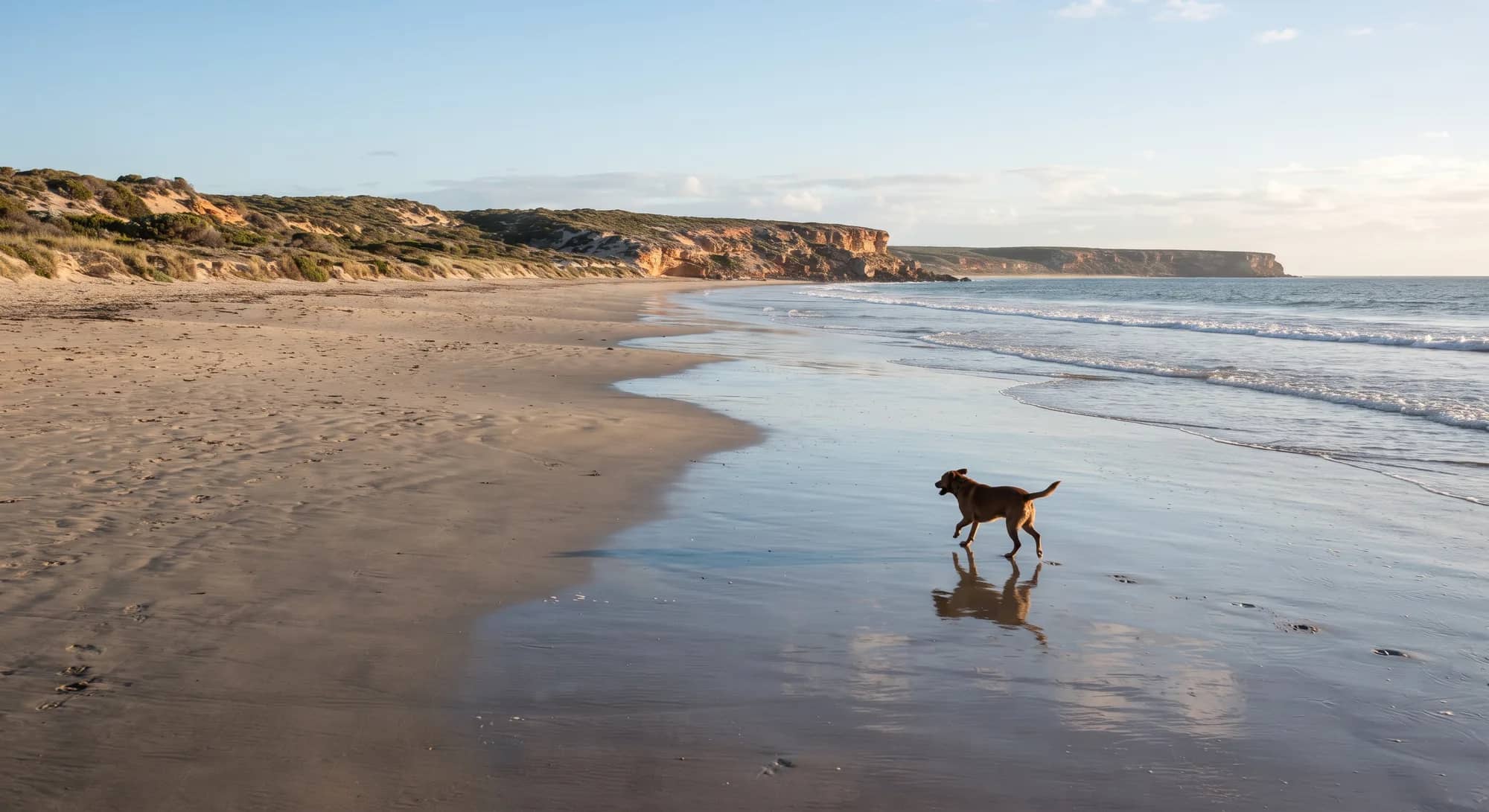
Off-Leash Dog Beaches: Southern Adelaide to Victor Harbor
From Glenelg to Victor Harbor, a run-down of the coast, how the off-leash hours generally work, and the two words in the legislation that catch people out.
Behaviour Problems
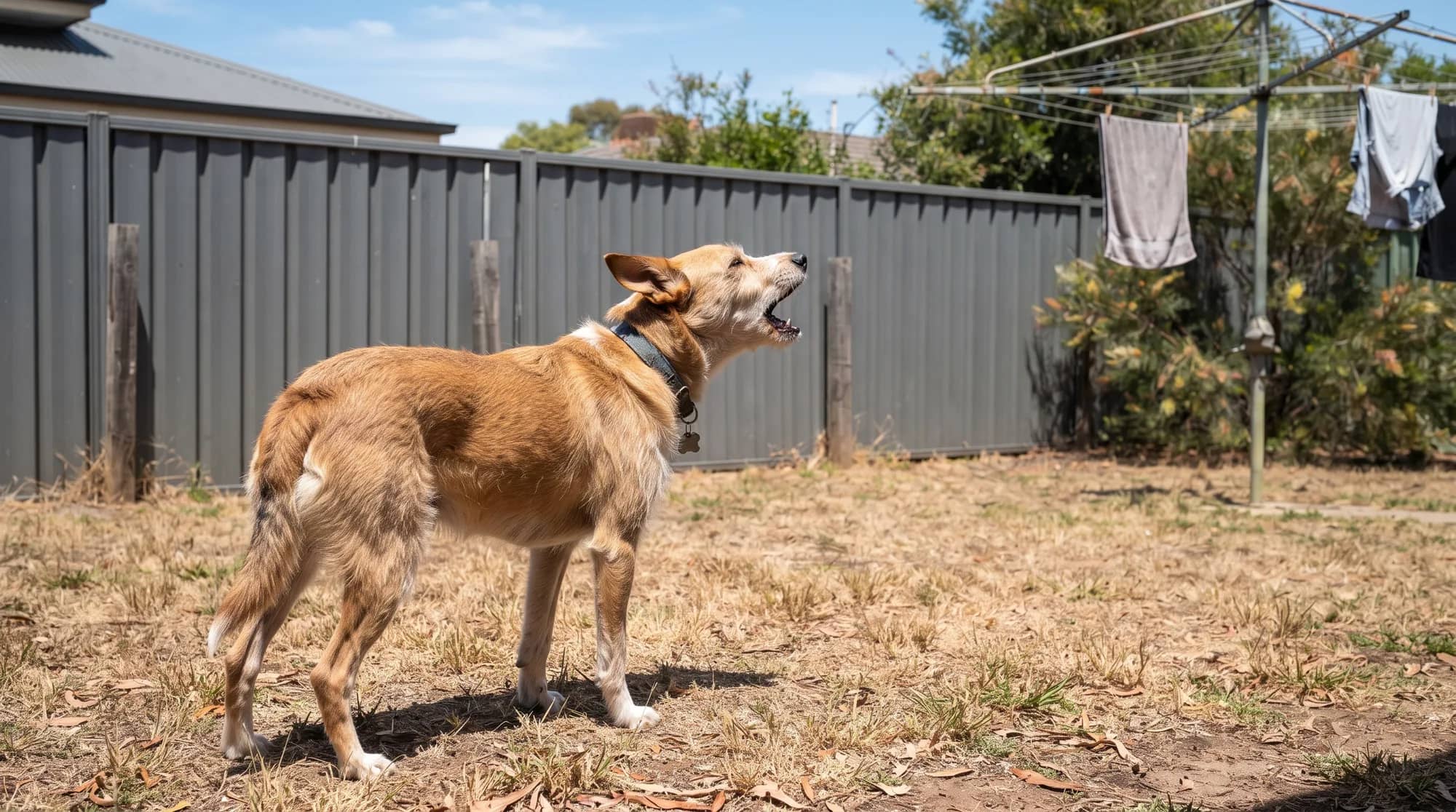
You Have Had a Barking Complaint. What Happens Now?
There is a letter from the council on your kitchen bench. Here is exactly what it means, what happens next, and the two things worth doing today.
Puppy Training
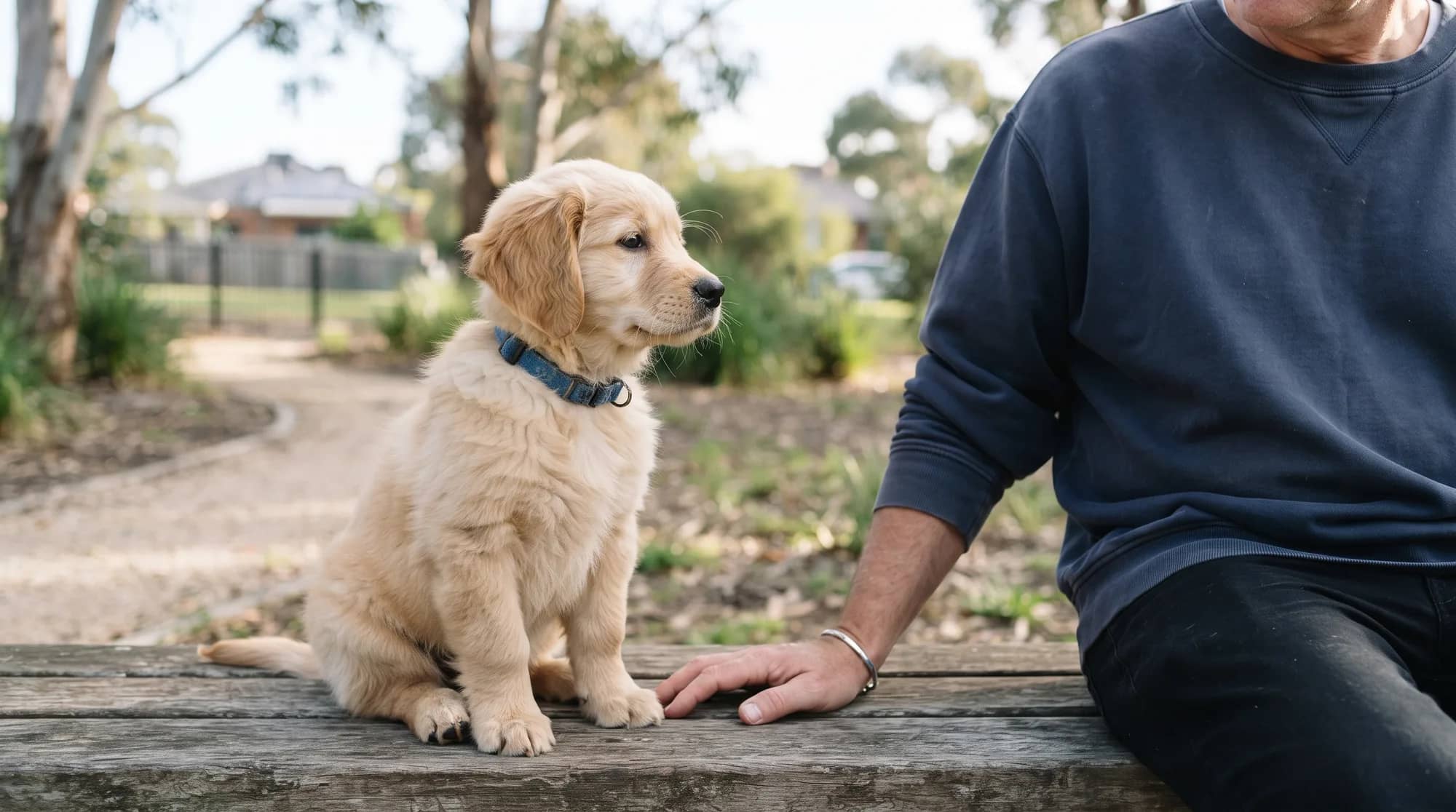
When Should Puppy Training Actually Start?
The most valuable training window in your dog's entire life closes at around sixteen weeks. Most people start using it at six months.
Questions
Questions people ask before they book
Where do the sessions happen?
How long is a session?
Do you train my dog, or do you train me?
How many sessions will we need?
Should the whole family be there?
How much does it cost?
How do I know whether I actually need a trainer?
Ready when you are
Better dog. Better behaviour. Better life.
Tell me what's going on and I'll tell you straight whether I can help — and roughly what it'll take. No obligation, no pressure. Southern suburbs of Adelaide — CBD to Victor Harbor.
Send a quick enquiry
Four things and I’ll come back to you. If it is urgent, ring instead — that is always faster.